New York's 32 hours of unpaid sick time
A new law just went into New York that says you can’t pay sick time.
NO IT DIDN’T. That’s not what the law says.
I’ve seen a lot of confusion about New York’s new law that allows 32 hours of unpaid, job-protected sick time in addition to the state-mandated 40-56 hours of paid sick time.
Here’s the only thing you need to know about this law:
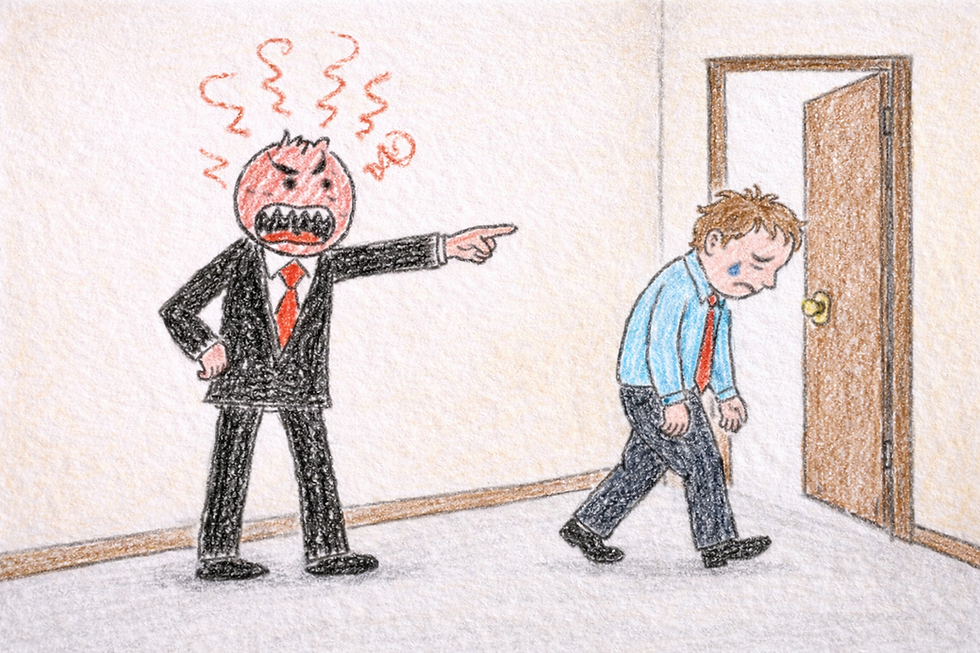
Don’t fire people for not coming to work when they run out of PTO until they’ve missed at least 4 days of work.
That’s all it means.
You don’t need to create a separate PTO policy in time & attendance.
You don’t need to write a new policy in your handbook.
Just don’t fire someone for not showing up to work for a few days.
Give people a few days’ grace and you’ll be fine.
Let your conscience be your guide.
Don’t overthink it.
Remember: You can always be MORE generous than the law allows. You can decide to not-fire someone after five missed days. Or six. Or a hundred.
It seriously won’t happen that much, but here are some situations where it might:
😢 Limited PTO + A Sad Situation
Let’s say you’re a small business with a limited PTO policy and someone has . They use up all available PTO before they’re done with treatment.
NY statutory disability doesn’t allow for intermittent leave. And it doesn’t pay a living wage.
Your company has limited PTO because you have a limited budget. While this person is out, you need to bring on extra help to cover their duties. And you’re paying the employer portion of their insurance still.
It adds up. You don’t want to be a jerk, but their illness is causing real hardship on your business. Can you... you know... um...
This law protects their job a little longer where The Line was ambiguous before.
⏰ Hourly Work + Attendance Issues
Let’s say that you have an hourly worker with an attendance issue. They keep calling in “sick” and leaving the shift shorthanded.
They’ve used up their accrued sick time.
And now they’ve missed another shift.
Can you fire them?
Not until they’ve missed a total of 32 hours of scheduled work beyond when their paid sick time runs out.
This would have to be time when they were actually on the schedule.
Then they called in sick and didn't work that schedule.
And they did it again, and again, and again, and again... up to 32 hours.
Or, if it isn't a long term thing, sometimes you can just leave them off the schedule for a while until the thing passes. Same result, less disruption to your business and you don't have to make difficult decisions about someone's livelihood.
⏱️ Edge Cases
The new law just makes it more clear that: No, you can’t fire someone for getting sick or having a personal event, even if they don’t qualify for state paid sick time yet.
New York allows for a 120 day waiting period before paid sick time is available.
So what if someone can’t come to work for a qualified reason during those first 4 months?
You don’t want them to come to work.
They might be contagious.
Or have a stalker with violent tendencies who could follow them to the workplace.
Or they might get deported even though they're here legally and you have the paperwork to prove it.
So, what? Are you supposed to fire them for getting sick?
No. Give them 4 days. Then think about still maybe not firing them if they have a good reason. You can always just not pay them for the time and NOT make a big thing of it.
🧮 Do You Need a Separate Policy for It?
No. The way I usually handle these in the HRIS is the same way I handle other event-based time off like bereavement, jury duty, or a leave of absence.
Set up an unpaid front-loaded policy that allows for 32 hours of unpaid time off.
Don’t enroll someone in the policy until they use up all of their paid sick time and paid time off.
You can allow the employee to request the time (unlikely) or manage it as an admin adjustment. Track the unpaid days as they’re used.
When the unpaid days are used up, you still don’t have to fire them.
But now you've documented that you followed the law.
⭐️ Star on your star chart!
Not sure how to implement new PTO laws or other compliance regulations? We can help.


Comments